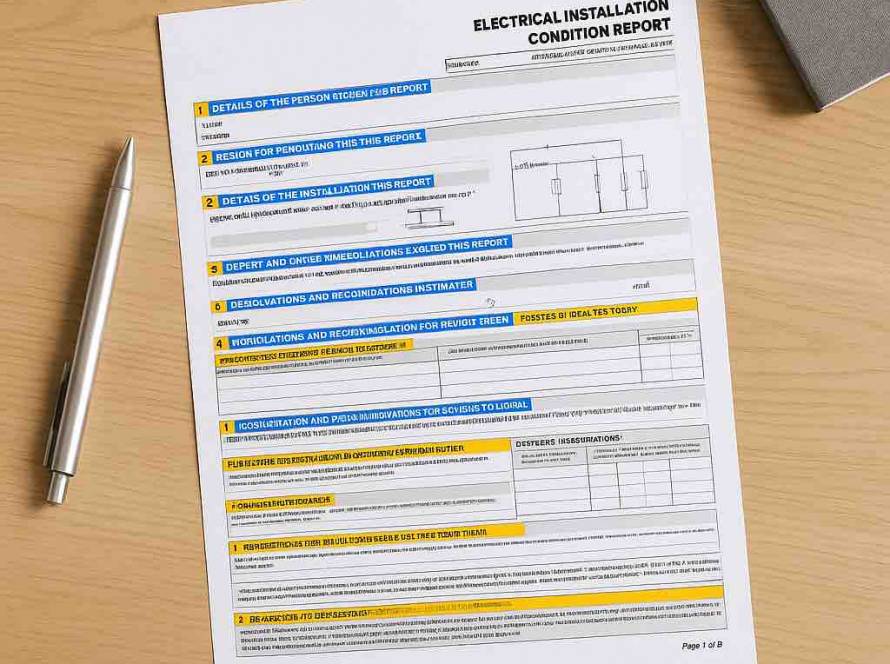
Electrical safety is one of the most important responsibilities for any homeowner or landlord. If you’ve recently had an Electrical Installation Condition Report (EICR) carried out and it highlighted issues, you may now be reviewing a list of recommended or required remedial works.
This guide explains the most common remedial items found during an EICR, why they’re important, and what they mean for the safety and compliance of your property. Whether you’re a landlord, a domestic homeowner, or a property manager, this article will help you understand each fault clearly without overwhelming jargon.
Why Remedial Works Are Needed After an EICR
EICRs assess the condition of your electrical installation against the latest edition of BS 7671 (IET Wiring Regulations). These regulations evolve regularly due to safety research, fire prevention improvements, new technology (like EV charging), and modern protection devices such as RCBOs and SPDs.
Even if your installation was compliant years ago, electrical safety standards may have changed — meaning remedial works bring your system back up to a safe, modern standard.
Common Remedial Works Identified on an EICR
Below are the most common items a contractor may recommend after an EICR. Some are compulsory to achieve a satisfactory report; others are advisory improvements that increase safety.
1. Consumer Unit Upgrade (Old Plastic to Modern Metal)
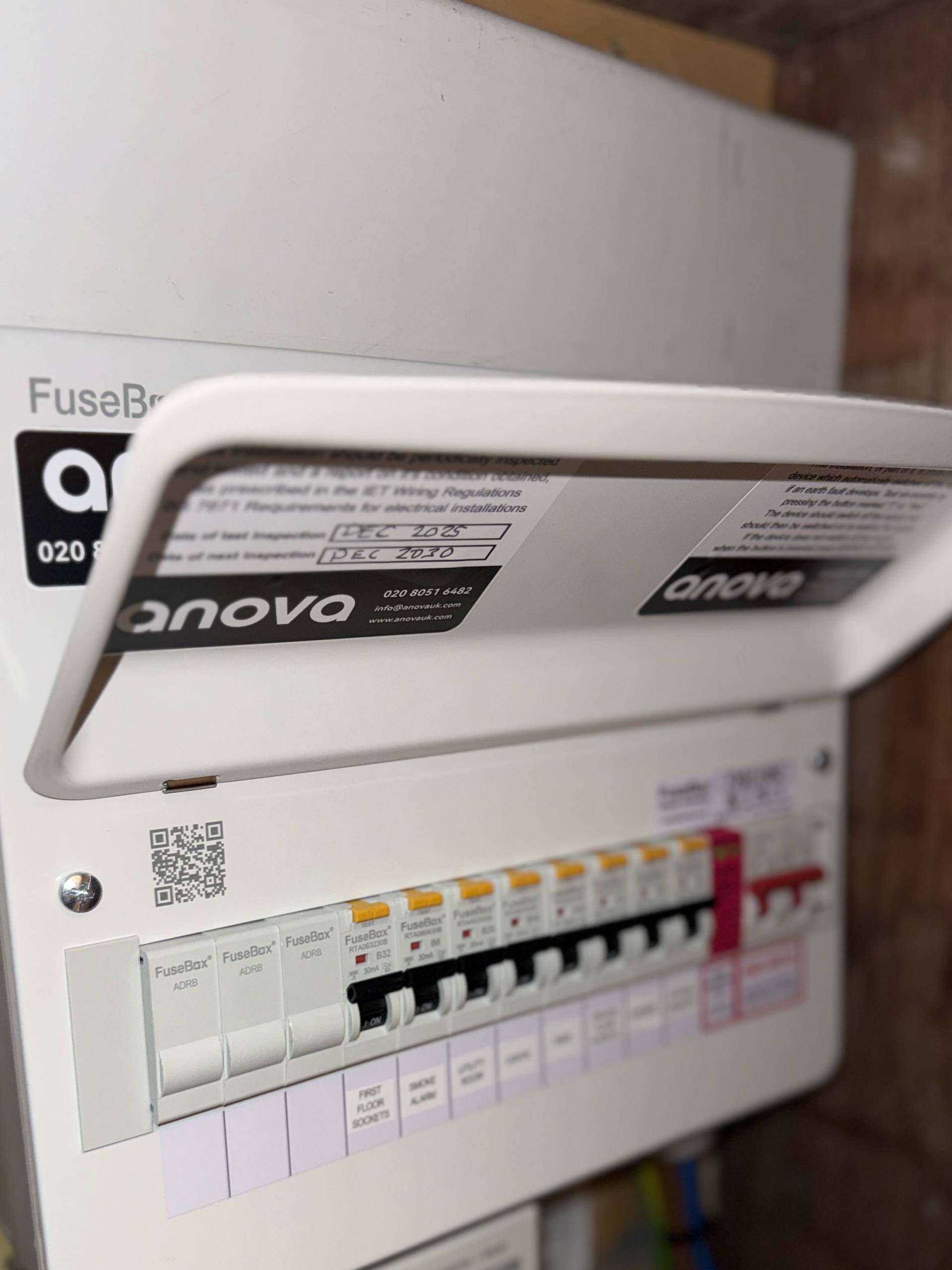
One of the most frequently recommended remedial works is replacing an outdated plastic consumer unit with a modern, metal-clad fire-rated one.
Why this matters:
- Older plastic boards can contribute to fire spread
- Amendment 3 of BS 7671 introduced the requirement for non-combustible enclosures
- Metal boards are safer, more durable, and designed to contain fire
- Modern boards allow installation of RCBOs, SPDs, and clearer circuit separation
This upgrade is especially recommended if:
- The board shows signs of heat damage
- Circuits are overloaded
- No RCD protection is present
- It’s installed under stairs (a high-risk location)
2. Incorrect RCD Type (Replacing Type AC with Type A)
Older consumer units often contain Type AC RCDs, which were widely used historically. However, modern homes now contain electronic appliances that generate pulsating DC currents, which Type AC devices cannot detect reliably.
Why this shows up on an EICR:
When an inspector sees a Type AC device protecting circuits that feed appliances like washing machines, dishwashers, EV chargers, induction hobs, LED drivers or smart tech, they’ll recommend replacement because it may not trip fast enough in a fault.
Possible EICR Codes:
- C2 — “Potentially dangerous”
- C3 — “Improvement recommended” (depending on installation)
Why it matters:
A Type AC RCD may not trip if the current becomes distorted by modern electronics — leaving users exposed to electric shock or damage.
Risks if unresolved:
- Delayed disconnection during faults
- Increased risk of electric shock
- Risk of appliances overheating
- Non-compliance with current BS 7671 guidance
Current regulations state Type A RCDs should be used for most domestic applications.
3. No Surge Protection Device (SPD Installed)
Since the 18th Edition, SPDs have become a standard requirement because they protect against transient overvoltages — sudden spikes in voltage that can travel through the electrical system.
Why this shows up on an EICR:
If the consumer unit doesn’t contain an SPD, inspectors must note its absence unless a formal written risk assessment exempts it.
Possible EICR Codes:
- C3 — Improvement recommended
- Rarely C2 — if sensitive equipment is at risk or installation type requires it
Why SPDs matter:
Overvoltage spikes can damage:
- Boilers
- Routers and PCs
- TVs and consoles
- Smart home equipment
- EV chargers
- Security systems
Risks if unresolved:
- Expensive appliance damage
- Data loss
- Shortened lifespan of electrical equipment
- Increased risk of fires caused by damaged electronics
SPDs can prevent hundreds to thousands of pounds of damage.
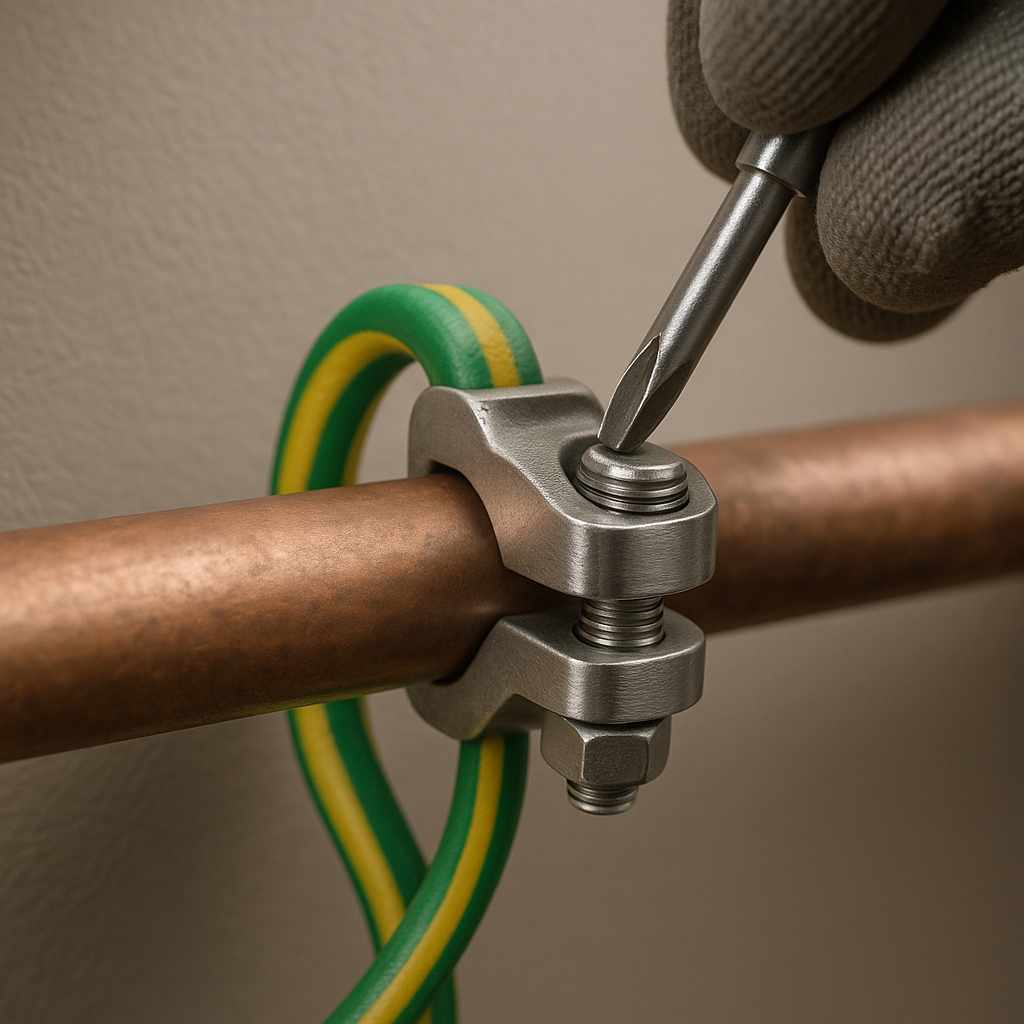
4. Main Protective Bonding Upgrades (Gas & Water Bonding)
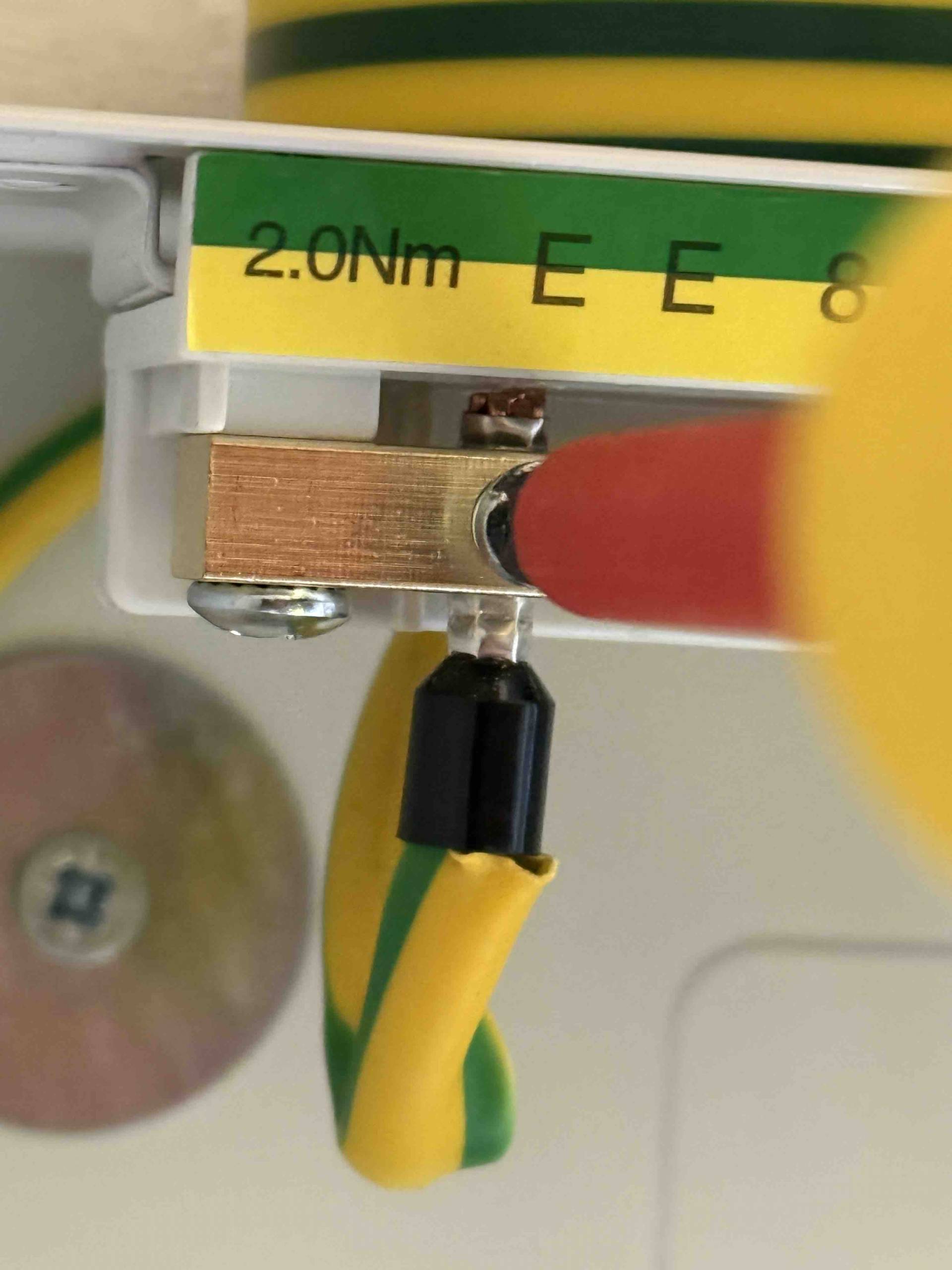
Bonding ensures that all metal pipework and electrical systems remain at the same electrical potential. It significantly reduces the risk of electric shock.
Why this shows up on an EICR:
Older or DIY installations often have:
- Missing bonding
- Incorrect cable sizes (e.g., old 6mm instead of required 10mm)
- Loose clamps
- Bonding connected in the wrong place
Possible EICR Codes:
- C2 — Missing or undersized bonding
- C3 — Bonding present but needs improvement
Why bonding is essential:
In a fault, bonding prevents dangerous voltages appearing on pipework.
Risks if unresolved:
- Touch shock from taps or radiators
- Higher risk during faults
- Installation deemed “unsatisfactory”
Bonding is one of the most common C2 remedials across domestic properties.
5. No RCD Protection on Sockets or Circuits
RCDs are designed to protect life by disconnecting the supply within milliseconds during a fault.
Why this shows up:
Older properties often pre-date RCD requirements, especially on:
- Socket circuits
- Outdoor circuits
- Bathroom circuits
- Lighting circuits
EICR Codes:
- C2 — No RCD where required for shock protection
- C3 — Older installation where risk is lower
Risks if unresolved:
- Electric shock
- Fire risk
- Unsafe outdoor use of appliances
- Non-compliance with BS 7671 safety provisions
Upgrading to RCBOs or adding RCD protection is one of the most valuable safety improvements.
6. Incorrect MCB Ratings
Each circuit has a maximum allowable current. If the breaker protecting that circuit is too large, it won’t trip fast enough during overloads.
Why this shows up:
Examples include:
- 1.0mm² lighting cable protected by 16A or 20A MCB
- 2.5mm² ring incorrectly wired as a radial but protected by 32A
- DIY alterations using incorrect fuses
EICR Codes:
- C2 — Potentially dangerous
- FI — Further investigation required
Risks if unresolved:
- Cable overheating
- Increased fire risk
- Breakdown of insulation
- Appliance damage
Corrective work involves adjusting breaker ratings or upgrading wiring.
7. Earth Faults & Missing CPCs
A CPC (Circuit Protective Conductor) is essential for the disconnection of a fault.
Why this shows up:
Older lighting circuits (especially pre-1970s) sometimes have no earth conductor. Also including poor electrical work or DIY work where the CPC conductor has not been installed correctly.
EICR Codes:
- C2 — Lighting with metal fittings and no earth
- C3 — Plastic fittings with no earth present
Risks if unresolved:
- Electric shock when touching metal fittings
- Fixtures becoming live
- Complete inability of the circuit to disconnect under a fault
This is the reason many older homes require lighting circuit rewires.
8. Poor Insulation Resistance / High Earth Fault Loop Impedance (Zs)
These tests determine the quality of the cable insulation and the speed of disconnection under fault.
Why this shows up:
IR or Zs failures are often caused by:
- Moisture ingress
- Rodent damage
- Ageing PVC insulation
- Loose connections
- DIY alterations
EICR Codes:
- C1 — Dangerous if conductors are exposed
- C2 — Potentially dangerous if readings are outside tolerances
- FI — If cause cannot be located
Risks if unresolved:
- Electric shock
- Fires from overheating insulation
- Breakdowns of protective devices
Remedials vary from replacing cable runs to tightening terminations.
9. Exposed Live Parts
Missing covers, damaged sockets, cracked switches, or incorrectly terminated accessories expose the user to contact with live conductors.
Why this shows up:
Common causes include:
- Heat-damaged accessories
- Fragile old plastic
- DIY tampering
- Missing screw caps on CU covers
EICR Codes:
- C1 — Immediate danger present
- C2 — Potential contact under certain conditions
Risks if unresolved:
- Direct risk of electric shock
- Fire from arcing
- Unsafe for children
- Immediate need for isolation
This is one of the most serious EICR findings.
10. Incorrect IP Ratings (Bathrooms & Outdoor Areas)
Bathroom and outdoor locations require fittings with specific Ingress Protection (IP) ratings.
Why this shows up:
Typical issues:
- Bathroom lights not suitable for the zone they’re installed in
- Outdoor sockets with no waterproof enclosure
- Ceiling fans not rated for steam/moisture
EICR Codes:
- C2 — Incorrect IP rating in bathroom or exposed to water
- C3 — Advisory in low-risk locations
Risks if unresolved:
- Electric shock from moisture ingress
- Damage to fittings
- Short circuits
- Fires caused by water contact
11. Unsupported or Poorly Installed Cables
Cables must be secured to prevent mechanical damage and must comply with fire safety regulations.
Why this shows up:
Common examples:
- Loose cables in loft spaces
- Cables trailing across joists
- Unsupported vertical runs
- No containment in high-risk areas
- No metal fixings where required (post-Grenfell requirements)
EICR Codes:
- C2 — Where cables present a hazard
- C3 — Where containment is recommended
Risks if unresolved:
- Trip hazards
- Cable damage
- Overheating
- Fire risk if cables collapse during fire
12. Safety Upgrade Items (Optional but Highly Advisable)
These items often appear as C3 recommendations but significantly improve safety:
Examples:
- Replacing old junction boxes with maintenance-free types
- Adding Arc Fault Detection Devices (AFDDs) where beneficial
- Removing old rewireable fuses
- Upgrading brittle rubber-insulated cable
- Upgrading poorly executed DIY wiring
Why they matter:
Safety upgrades aren’t always mandatory for a “Satisfactory” EICR — but they reduce long-term risk, improve reliability, and help future-proof the installation.
Certification You Will Receive After Remedial Works
Following remedial work, you should receive an Electrical Installation Certificate (EIC) confirming that:
- The installation now meets BS 7671
- All work has been tested
- Safety has been restored
Landlord Obligation (Important)
Under the Electrical Safety Regulations 2020:
- Remedial works must be completed within 28 days
- Written proof must be given to the tenant and local authority
If you’ve received an EICR and would like clear advice or a quotation for remedial works, Anova is always happy to help.
You can also upload your EICR through our website using the form below, send it via Whatsapp using the below button or email it through to us at info@anovauk.com for a free, no-obligation review.
📞 Call: 02080516482
📩 Email: info@anovauk.com
💬 WhatsApp: Click the button below